Recycling and Sustainability at Kidbrooke Storage
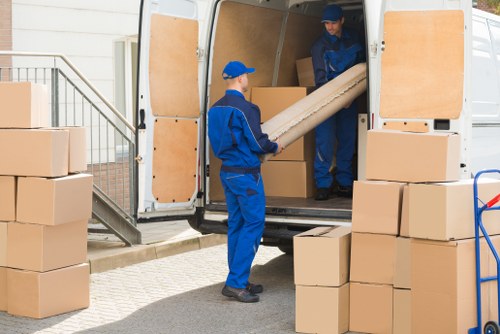 At Kidbrooke Storage, sustainability is built into the way we operate every day. Our approach to Kidbrooke Storage recycling is shaped by a simple aim: reduce waste, support responsible reuse, and make sure materials are sorted with care before they leave our site. In a part of London where boroughs place real emphasis on waste separation, local recycling behaviour matters. We take that seriously by encouraging correct sorting, diverting reusable items away from disposal, and working toward a recycling percentage target that helps us measure progress year after year.
We are focused on practical, measurable improvement rather than vague claims. Our target is to recycle or recover at least 75% of operational waste, including cardboard, shrink wrap, office paper, and selected metal and plastic packaging used on site. This target supports a broader Kidbrooke Storage sustainability plan that prioritises reuse first, recycling second, and disposal only when absolutely necessary. It also reflects the wider expectation across local boroughs, where residents and businesses are increasingly encouraged to separate dry mixed recycling, food waste, and general waste into distinct streams.
 To keep those materials moving in the right direction, we use a network of local transfer stations and recycling facilities that can handle different waste streams efficiently. These facilities help us consolidate sorted materials before they are sent to specialist processors. Whether it is flattened cardboard from storage supplies, mixed plastics from packaging, or small quantities of scrap metal from maintenance work, the goal is the same: keep valuable resources in circulation for longer and reduce the volume of residual waste heading to landfill or energy recovery.
Local transfer stations play an important role in the day-to-day logistics of a recycling storage operation. By choosing nearby sites where possible, we reduce transport distances and improve turnaround times for collection vehicles. This approach supports our low-carbon vans strategy, which uses modern, fuel-efficient vehicles and a growing proportion of low-emission transport for local movements. In practice, that means fewer miles travelled for waste handovers and a smaller carbon footprint associated with the journey from store to sort to final processing.
 Our recycling processes also reflect the character of the surrounding area. In southeast London boroughs, households and organisations are increasingly familiar with separating paper, glass, cans, textiles, and garden waste into individual bins or collection bags. We mirror that mindset inside our own operations by keeping dedicated containers for cardboard, soft plastics, batteries, and WEEE-related items where appropriate. This helps staff and contractors make quicker, cleaner decisions about what can be reused, what can be recycled, and what must be handled as specialist waste.
We also work with charities as part of our commitment to responsible reuse. Items that are still in good condition but no longer needed by our customers, such as furniture, household goods, books, and office equipment, may be redirected to local charitable partners. These partnerships support community organisations by extending the life of useful items and reducing the demand for new products. For us, Kidbrooke self storage sustainability is not only about sorting waste correctly; it is about making sure usable items continue to serve a purpose.
Charitable partnerships are especially valuable in areas where moving house, downsizing, or renovating can create a sudden flow of unwanted but serviceable belongings. Rather than sending these items straight into a waste stream, we encourage reuse pathways whenever possible. This can include donations to charities that support families, refugees, students, or people setting up a home after a period of disruption. It is a small but meaningful way to connect Kidbrooke Storage recycling initiatives with practical community benefit.
Our low-carbon vehicle policy complements these reuse efforts. The vans used for local collection support are selected with emissions in mind, and we continually look at how routing can be improved to avoid unnecessary idling and repeated journeys. Combined with better load planning and reduced packaging waste, this helps us maintain a leaner operational footprint. It is a simple example of how storage recycling can be integrated with transport efficiency, rather than treated as a separate issue.
 Another important part of our sustainability work is encouraging clear separation at source. Across local boroughs, waste separation standards are becoming more detailed, and we aim to align with that direction by keeping clean recycling streams as uncontaminated as possible. That means removing food residue from containers, keeping paper dry, and avoiding the mixing of non-recyclable film with recyclable plastics. The cleaner the stream, the higher the chance that the material can be processed into a new product rather than downgraded or rejected at a facility.
We also recognise the importance of education inside a storage environment. Customers often store items for months or years, so when they come to clear a unit, there is a real opportunity to make better material choices. By highlighting the differences between reusable, recyclable, and disposable goods, we help make sustainable decisions easier. That might mean choosing to reuse cardboard boxes, separate reusable textiles from broken household items, or identify electronics that can go to approved recycling channels instead of general waste.
Our sustainability goals extend to the materials used on site too. Where possible, we prefer recycled-content packaging, reusable supplies, and procurement decisions that reduce waste at the outset. This includes practical steps such as cutting down on excess wrapping, consolidating deliveries, and reusing internal packaging materials in line with safety and quality standards. Together, these measures support a more circular model for Kidbrooke Storage recycling, one that values efficiency and responsibility in equal measure.
 Looking ahead, Kidbrooke Storage will continue to refine its recycling percentage target and strengthen the partnerships that make responsible waste handling possible. With local transfer stations, charity collaborations, and low-carbon vans all working together, we are building a sustainability approach that is realistic, local, and accountable. In a borough landscape where waste separation is becoming more sophisticated, our aim is to stay aligned with best practice and keep improving the way we reuse, recycle, and recover materials for the benefit of the community and the environment.